As people handle life transitions, downsizing becomes increasingly common. The process can be emotionally challenging, especially when deciding what to do with valuable possessions. Many valuable items often end up in landfills despite still having significant worth to others. This waste is not only environmental but also economic, missing opportunities for reuse, recycling, and reselling. Downsizing House Clearance Help offers a solution to maximize the value of your secondhand goods, ensuring a more sustainable and financially savvy transition. We'll explore practical strategies to sell, donate, and recycle items effectively, covering everything from popular online marketplaces to local recycling centers.
- Evaluating Assets: What to Keep, Sell, or Donate
- Effective Pricing Strategies for Secondhand Goods
- Marketing Your Pre-Owned Items Online and Offline
- Downsizing House Clearance Help: A Step-by-Step Guide
- Navigating Local Laws and Taxes on Resale
- Building a Sustainable Circular Economy with Secondhand Goods
Evaluating Assets: What to Keep, Sell, or Donate

When downsizing, evaluating your assets is an important step in maximizing their value. This process involves deciding what to keep, sell, or donate, a decision guided by both practical considerations and emotional attachment. Professional downsizing assistance can provide invaluable support during this phase, offering expertise tailored to your unique situation. A home organization expert might suggest keeping only items that spark joy, a principle popularized by Marie Kondo's "KonMari" method. This approach, while challenging emotionally, can simplify your living space and enhance your overall well-being.
Consider the environmental impact of your decisions. How to recycle old furniture depends on its material and condition. Wooden items in good shape can often be resold or donated to local thrift stores, while metal and plastic furniture may be suitable for recycling centers. According to the EPA, furniture makes up a significant portion of waste in landfills, so repurposing or recycling these items not only extends their lifespan but also reduces your environmental footprint. A local thrift store in Austin, Texas, reported a 75% increase in furniture donations during the pandemic, underscoring the growing trend of sustainable downsizing.
Emotionally downsizing can be just as challenging as the physical process. Letting go of sentimental items is a delicate matter, requiring a balanced approach. While it's important to remember that downsizing is about creating a more manageable living space, it's equally important to preserve memories. A mindful living center can offer therapy services and support groups to help individuals handle these emotions. A study by the University of California found that individuals who participated in downsizing programs with emotional support reported higher life satisfaction and reduced stress levels.
Professional downsizing assistance can provide significant benefits, including expert organization, efficient moving, and tailored financial planning. However, it's essential to understand the costs involved. According to a recent survey by Moving Insurance Brokers, the average cost of professional downsizing services ranges from 10% to 20% of the total move, with the price depending on the scope of work and distance. Balancing these costs against the benefits, such as reduced stress and increased time savings, can help you make an informed decision. If the decision feels overwhelming, consider giving us a call at post-moving cleanup services for expert guidance at each step.
Effective Pricing Strategies for Secondhand Goods
For effective downsizing, pricing your secondhand goods right is important. Setting the right price not only maximizes your returns but also contributes to long-term cost savings through strategic downsizing. A well-priced item can fetch a better deal, potentially funding other aspects of your move or downsizing process.
Experts suggest pricing items based on their condition, market demand, and comparable sales. A gently used couch in excellent condition might sell for 60-70% of its original retail price, while a more worn item could be listed for 40-50%. This strategy, popularized by Marie Kondo and her "KonMari" method, encourages a mindful approach to downsizing, ensuring each item's maximum value is realized. For larger furniture, eco-conscious disposal methods can further enhance long-term savings. Recycling centers often accept used furniture, contributing to a circular economy while reducing waste and the environmental impact of manufacturing new items.
Online marketplaces like eBay and Facebook Marketplace offer excellent exposure for secondhand goods. According to a 2022 survey, 73% of Americans have purchased pre-owned items from these platforms, demonstrating a growing preference for sustainable and cost-effective options. When setting prices, consider the target audience and their expectations. Younger buyers might be drawn to discounted prices, while others value the quality and condition of items. Local thrift stores and charity shops also provide an opportunity to price items competitively, as they often rely on donations and set prices based on perceived value.
When planning ahead for downsizing, keep in mind that pricing strategies evolve with market trends. Staying informed about current values ensures your items remain attractive to potential buyers. A popular vintage piece might fetch a higher price today but could become less desirable in the future. Conversely, items that are currently out of fashion might gain popularity and value over time. This dynamic nature of secondhand markets requires adaptability and a keen eye for trends, making effective pricing a strategic and ongoing process. Remember, for downsizing house clearance help, finding the right price for your goods is just as important as finding the right team to assist you. U-Pack, a leading moving company, offers flexible pricing models tailored to different moving needs, ensuring customers get the best value for their downsizing journey.
Marketing Your Pre-Owned Items Online and Offline

When downsizing, letting go of sentimental items can be emotionally challenging but important for a smooth transition. Marketing your pre-owned goods is a strategic step in the downsizing process, maximizing their value and ensuring a more efficient house clearance. Online platforms have revolutionized how we sell and buy secondhand items, with eBay and Facebook Marketplace leading the way, offering local buyers and sellers an accessible space to connect. In 2022, eBay reported over 1.7 billion active users worldwide, highlighting the immense potential for downsizing households to reach a broad audience.
A well-organized approach is key to successful secondhand sales. Home Organization Experts suggest creating categories for different items, ensuring your listing are clear and appealing. Professional photography adds value, especially for furniture and decor. Once listed, prompt updates and clear communication with potential buyers are essential. Local thrift stores and recycling centers also provide offline avenues for disposal, offering eco-friendly alternatives to traditional disposal methods. How to recycle old furniture is a question on many minds, and these centers often have programs in place to repurpose or upcycle items.
For larger items like furniture, consider partnering with Moving Companies that offer packing and disposal services. These companies often have established networks and can provide efficient removal, ensuring a smooth transition. Insured Furniture Moving, for example, specializes in handling fragile and valuable items, offering peace of mind during emotionally downsizing moments. While selling items online and offline is a significant step in the downsizing process, it's also important to let go of items that no longer serve you. Support groups and Mindful Living Centers can help handle these feelings, providing resources for both the physical and emotional aspects of downsizing.
Downsizing House Clearance Help: A Step-by-Step Guide
When downsizing, maximizing the value of your secondhand goods isn't just about making money; it's an eco-conscious way to reduce moving costs and contribute to a circular economy. The process requires thoughtful preparation and strategic decisions. Begin by evaluating each item's condition and potential market. A well-maintained, modern couch could fetch a higher price on platforms like eBay or Facebook Marketplace, whereas vintage pieces might find new homes through local thrift stores.
Next, consider the environmental impact of disposal. Eco-conscious ways to get rid of large furniture include recycling centers for metal frames and wood components, or partnering with moving companies that offer recycling programs. U-Pack not only facilitates moves but also works with recycling centers to divert waste. This not only reduces your carbon footprint but can also lower moving costs.
The help often involves a mix of selling, donating, and recycling. Selling items directly to buyers or through online marketplaces ensures you get the highest return. Once you've exhausted these options, consider donating to local charities or thrift stores, which can offer tax benefits. A recent study showed that 63% of Americans prefer donating gently used items to thrift stores over discarding them. Efficient Property Clearing can assist with the entire process, from organization to disposal, ensuring you receive the best value for your possessions while minimizing environmental impact.
think about the emotional value of items. Items that evoke strong memories or have sentimental value might be harder to part with. In such cases, consider therapy services or support groups for downsizing and mindful living. Some communities offer local legal aid to help with the legal aspects of downsizing, including understanding homeowners' insurance policies and claims adjustments. By combining practical downsizing strategies with emotional support, you'll not only maximize the value of your secondhand goods but also make the transition to a smaller space smoother and more meaningful.
Navigating Local Laws and Taxes on Resale
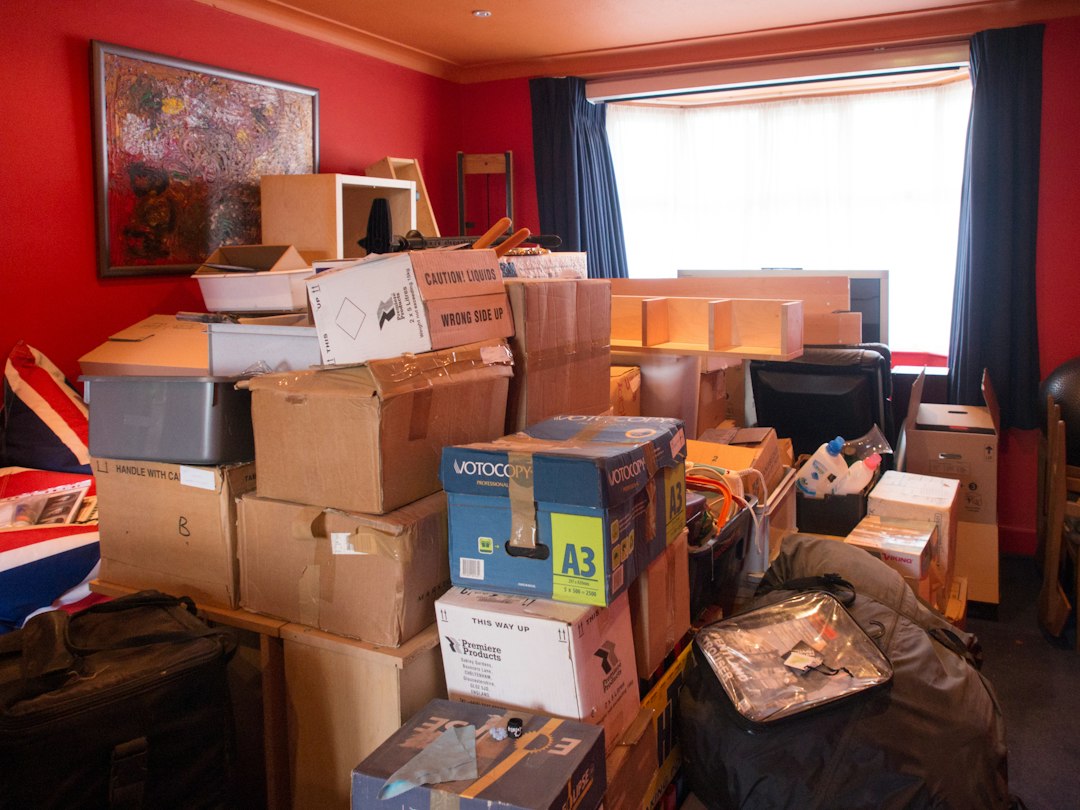
When navigating the process of downsizing, selling your secondhand goods can be a significant source of revenue to offset moving costs and maximize the value of your possessions. However, understanding the local laws and taxes associated with resale is important for a successful downsizing house clearance strategy. Each jurisdiction has its own set of regulations governing the sale of used items, and failure to comply can result in penalties.
some regions mandate that certain types of merchandise, such as electronics or furniture, must be recycled or disposed of through authorized programs rather than sold privately. Ignoring these regulations not only risks fines but can also hinder your ability to find buyers. Sales tax laws vary widely, with some locales requiring sellers to collect and remit taxes on secondhand goods, while others do not. Understanding these nuances is essential for ensuring a smooth and lawful resale process.
To make informed decisions, consult your local government's website or contact relevant authorities to clarify the rules specific to your area. Many cities and counties offer online resources detailing permitted resale activities and any associated taxes. As of 2022, over 30 U.S. States have enacted laws promoting the responsible disposal of electronic waste, with specific guidelines for sellers and buyers. Staying current with these regulations not only protects you from legal issues but also encourages responsible consumer practices.
If you encounter complex or unclear legal aspects, consider reaching out to junk disposal services like ours. We've helped countless clients manage hoarding cases and downsizing projects, often providing guidance on proper disposal and recycling methods. By partnering with professionals who understand the local regulations, you can ensure that your downsizing house clearance strategy not only maximizes value but also adheres to all necessary legal and tax requirements.
Building a Sustainable Circular Economy with Secondhand Goods
Downsizing and clearing out unwanted items can be a significant step toward a more sustainable lifestyle. By adopting a circular economy approach, individuals and families can maximize the value of their secondhand goods, benefiting both the environment and their wallets. This strategy is particularly relevant when considering the growing emphasis on sustainable practices, as consumers and businesses alike seek to minimize waste and reduce their carbon footprint. A study by the Ellen MacArthur Foundation estimates that the circular economy could reduce global waste by up to 40% by 2050.
When planning to downsize, one of the most effective ways to build a sustainable circular economy is to explore a variety of selling, recycling, and disposal options. Top Tips for Selling Unwanted Items involve leveraging online platforms like eBay and Facebook Marketplace, local thrift stores, and even secondhand markets. These channels not only provide an opportunity to earn some extra cash but also divert items from landfills. According to the National Association of Resale & Thrift Stores, the resale industry in the US generates over $26 billion in revenue annually, contributing to a significant reduction in waste. Professional Downsizing Assistance, often sought by Best Practices for Downsizing Seniors, can also play an important role in this process, offering expertise in maximizing the value of items while ensuring a stress-free transition.
However, the benefits extend beyond financial gains. The help can be a catalyst for a more mindful lifestyle, encouraging individuals to reflect on their consumption patterns and make more conscious choices. This can lead to a reduction in overall waste and a more efficient use of resources. Recycling centers often provide guidance on what materials can be reused or repurposed, promoting a culture of sustainability. Engaging with local Mindful Living Centers or support groups can further assist individuals and families in navigating the emotional aspects of downsizing while embracing a more sustainable future. By considering both the financial and emotional dimensions, individuals can make informed decisions, ensuring that their downsizing efforts contribute to a circular economy and a healthier planet.
For those seeking practical guidance, consulting with professionals in the field can provide invaluable insights. Moving companies and storage solutions like U-Pack offer not only transportation services but also advice on efficient packing and organization, which is especially beneficial for those who are downsizing for the first time. Insurance providers and claims adjusters also play a critical role, ensuring that valuable items are properly valued and insured during the transition. Considering the growing awareness of environmental impact, individuals who opt for downsizing made simple can contribute to a significant cultural shift, setting an example for future generations and fostering a more sustainable circular economy.
As we conclude, it's clear that maximizing the value of secondhand goods involves a multi-faceted approach. From evaluating assets and effective pricing strategies to navigating local laws and building a sustainable circular economy, each step plays a critical role in the process. The help, for instance, is not just about clearing space; it's an opportunity to streamline possessions, make financial gains, and contribute to a more eco-friendly world.
By understanding what to keep, sell, or donate, individuals can make informed decisions that reflect their needs and values. Online platforms like eBay and Facebook Marketplace, combined with offline methods like local thrift stores, offer diverse avenues to reach potential buyers. Downsizing can be a catalyst for emotional and financial well-being, with support from professionals like Mindful Living Centers and therapy services.
Incorporating these strategies allows for a smooth transition during significant life changes, such as downsizing homes. The article's insights empower readers to handle the resale field confidently, ensuring they get the most from their pre-owned items while contributing to a circular economy. With a clear understanding of each step, individuals can make informed choices that benefit both themselves and the planet.
Downsizing involves evaluating assets, emotionally and practically, for maximum value. Price items based on condition and market demand, using methods like the KonMari method. Consider environmental impact, recycling furniture, and using online platforms for sales. Balancing emotional attachment with practical considerations is key, with support from therapy services and Mindful Living Centers. Professional downsizing assistance offers expertise but comes with costs, which should be weighed against benefits. Selling, recycling, and donating items contributes to a circular economy, reducing waste and carbon footprint. Legal compliance, tax considerations, and current regulations are important for successful downsizing house clearance. Embracing a sustainable, mindful approach to downsizing benefits both individuals and the planet.